Let’s Catch Up!
First off, are we really nearly in the second half of the year already?!
And also, a big THANK YOU for your patience!
I took a break in April to focus on a major assignment for my nutrition degree, which was all about the gut microbiome – fascinating stuff! This experience has made me even more passionate about sharing how food and lifestyle can support us, especially through the ups and downs of menopause. Then a break followed with my husband and the pooches; we spent a week in Norfolk, our favourite place to relax. For me, there’s nothing quite like being by the sea.
Plus…I want to share some exciting news! I have also been busy behind the scenes with some super talented people, working on a rebrand (what do you think?) and a new website, nutritionyogaandmenopause.com, which is now live and rebranded, as well as a new swanky one being built in the background – watch this space!
Let’s Talk About Restriction
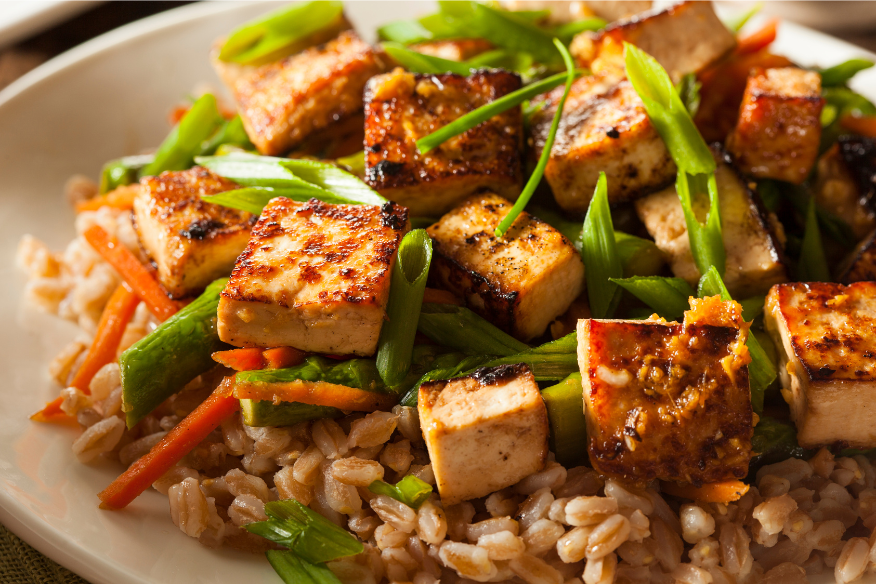
So, you’re doing “all the right things”, consuming fewer calories, but still not seeing progress, or losing weight? Perhaps you’re even feeling more out of control around food? Now, here’s something no one tells you enough: Over-restricting can cause overeating! This is particularly true for women in their 40s and beyond, when hormones shift, sleep becomes patchy, stress weighs heavier, and our bodies need more support, not less food. I don’t know about you, but the moment I tell myself I can’t have a particular food, I want it more! It’s human nature!
I’m all about adding food rather than taking it away. When meals are too small or lacking in nourishment, your hunger and cravings go into overdrive. You might manage all day…only to find yourself raiding the cupboards at night or feeling ‘off track’ by the weekend.
So what’s the answer?
Eating enough of the right things in ways that balance your blood sugar, satisfy your hunger, nourish you as a whole and support your hormones. I’ll be sharing more tips on this in the coming months, but in the meantime, if you’re feeling stuck, my 1:1 coaching is available as a personalised approach.
Hayfever Got You Too?
I hope you have also been enjoying the lovely weather, but this season has been extremely challenging, and I know I’m not the only one reaching for tissues and antihistamines! Did you know that some women may experience hayfever for the first time or notice worsening allergy symptoms due to fluctuating oestrogen levels during perimenopause and menopause? These hormonal changes can influence the immune system, making it more sensitive to allergens and potentially leading to increased histamine production. This occurs because oestrogen triggers heightened histamine production, while progesterone assists in myelination, which helps break down histamine. Consequently, when oestrogen levels fluctuate, the body tends to produce more histamine than usual, resulting in severe allergic reactions.
While pollen might be out of our control, we can support our immune response through food choices. Here are a few tips that you might find helpful:
You could incorporate anti-inflammatory spices into your meals. Ginger and turmeric contain powerful compounds that may help soothe the immune response.
Consider having a daily tea or adding them to your dishes (such as soup, salad, and curry).
You might also try increasing your intake of polyphenol-rich foods. These plant compounds may alleviate allergy symptoms:
Quercetin, found in apples, onions, citrus fruits, and berries
Luteolin, in celery, parsley, and cabbage
Kaempferol, in leafy greens, spinach, dill, and chives
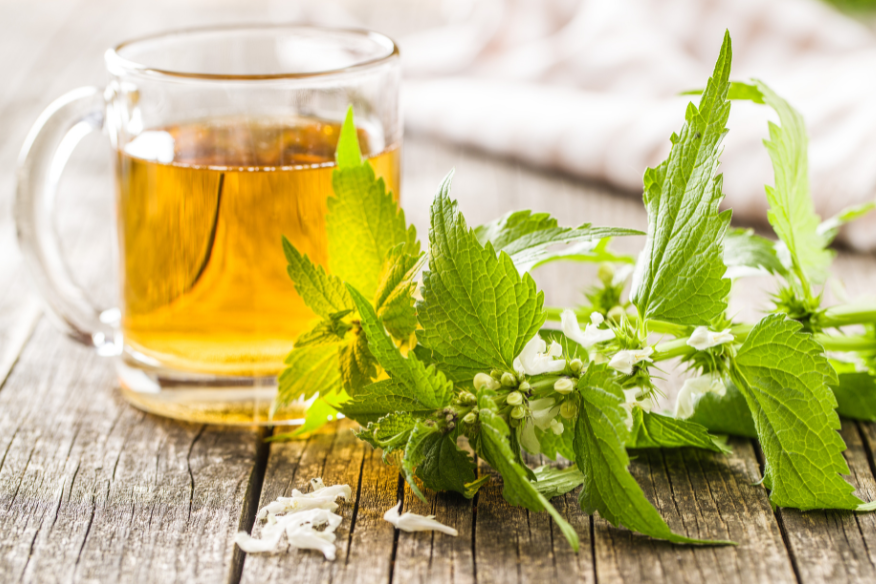
You might even enjoy making your own nettle tea. Locally sourced stinging nettles are also regarded as beneficial for hayfever sufferers, as well as possessing anti-inflammatory properties and being a good source of vitamins A and K.
When picking nettles for tea, it’s best to choose younger, fresher leaves. It’s wise to check with your GP to ensure nettles are safe for you, and remember it’s preferable to select nettles that are higher off the ground for obvious reasons 😉.
I found this super-easy recipe here, and you could even add locally produced honey, another remedy for hayfever. If you try making this, do let me know how it turns out.
What’s in Season?
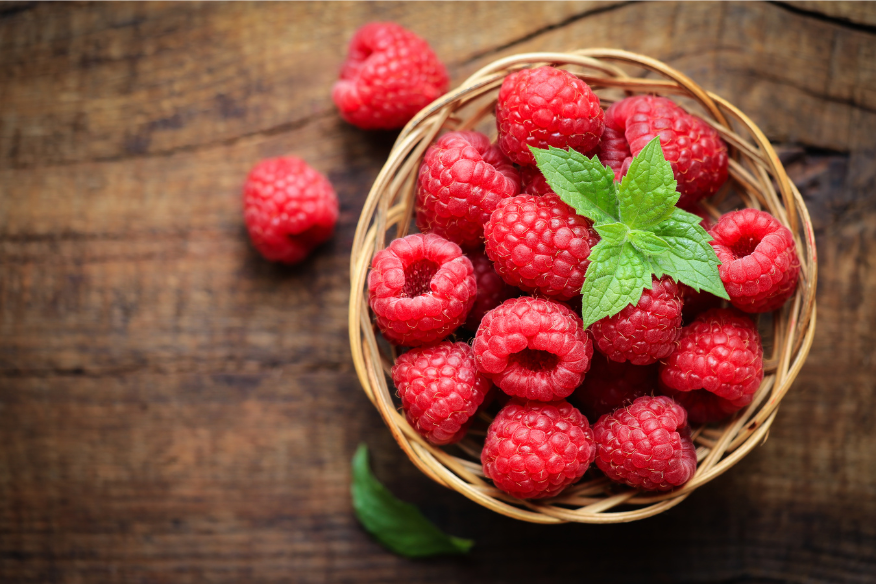
I’m a big fan of frozen berries, but British fresh raspberries are especially delicious this time of year.
A 125g punnet contains less than 70 calories and really packs a nutritional punch. With 8g of fibre, it provides over a quarter of the recommended daily fibre intake of 30g and more than 50% of your daily vitamin C requirement.
Adding them to Greek yoghurt, oats, and seeds can also help you meet your protein goals. Alternatively, you can enjoy them straight!
Next month, I’ll be sharing:
- Some of my favourite gut health tips from that big assignment
- Easy swaps to support you and your energy levels without restriction
Until then, take care of yourself.
Paula (aka Yogi Bird) 🧡
P.S. If you’d like support with eating well without over restricting, I’m currently taking on new 1:1 clients. Just click here to book a free chat.